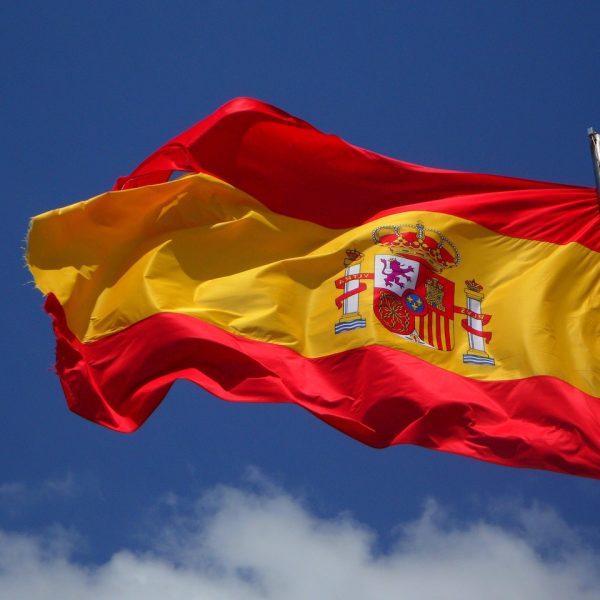
The Association of Spanish Language Academies says Spanish will lead the world in native speakers by 2050. Here is what drives the forecast and what it changes.
The Association of Spanish Language Academies says Spanish will lead the world in native speakers by 2050. Here is what drives the forecast and what it changes.

A Universitat Jaume I imaging study finds bilinguals route attention tasks through Broca's area while monolinguals use the right hemisphere, and respond faster.

Emergency patients given a professional interpreter were four times as likely to report satisfaction, and the Annals of Emergency Medicine study points to safety gains too.
Google translated 16 million words into Hindi, Tamil, Swahili and more for Wikipedia using Google Trends to pick articles and humans to fix the machine drafts.

How linguists are using crowdsourced volunteers to translate low resource languages that machine translation still cannot handle, from Haiti to intelligence work.

Why business interpreters work in pairs, what to send them before a meeting and how to brief them, with advice from CILT communications director Teresa Tinsley.

Search terms, tokenisation and blocking statutes: why e-discovery quietly fails on foreign language documents, and how cross-border review teams build around it.

An EU-commissioned report valued Europe's language industry at $12bn and growing 10% a year. Why the sector stayed invisible and what the investors saw first.

Arabic web users grew 2,000% and Chinese is overtaking English online. How Google Translate and human projects like Meedan are keeping the web readable.

Occitan, Breton, Basque, Corsican and Alsatian all survive in a country whose constitution recognises one language. A guide to the languages spoken in France.

Latin, Greek and Hebrew survive at university because translation turns locked manuscripts into evidence students can argue with, and machines still cannot do it.

From Roman Dacia to Church Slavonic, Soviet Cyrillic and the 2023 law that renamed it Romanian, the Moldovan language has always been an argument about politics.
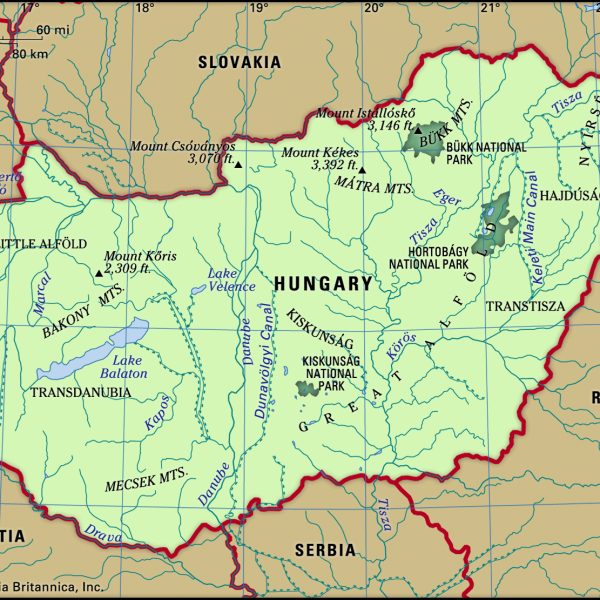
Vengerian is the Slavic name for Hungarian, a Uralic outlier with 18 cases, vowel harmony and a focus position that machine translation still cannot handle.
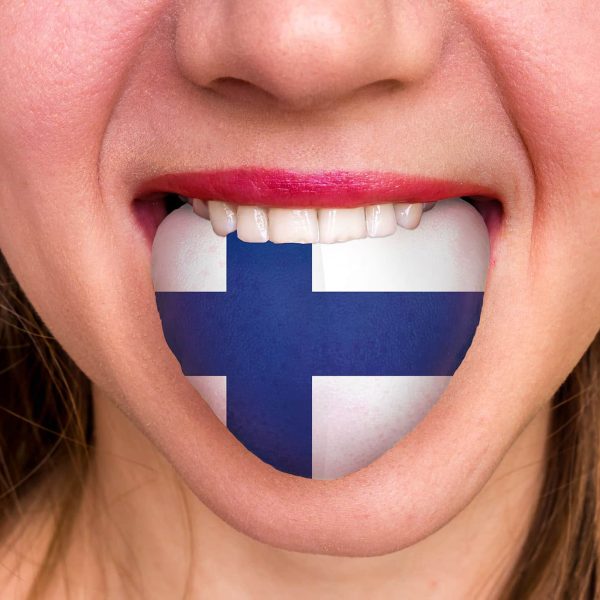
Fifteen cases, consonant gradation, no articles and a verb that conjugates to say no: why Finnish grammar defeats both learners and machine translation.

Camera translation, offline packs and voice mode have removed the everyday friction of a foreign city, but they still cannot sign a consent form.

When it comes to translating either dialogue or the written word from