Georgia imported a thousand native English speakers to put one in every school, aiming to displace Russian as the second language. What worked, and what did not.
Georgia imported a thousand native English speakers to put one in every school, aiming to displace Russian as the second language. What worked, and what did not.
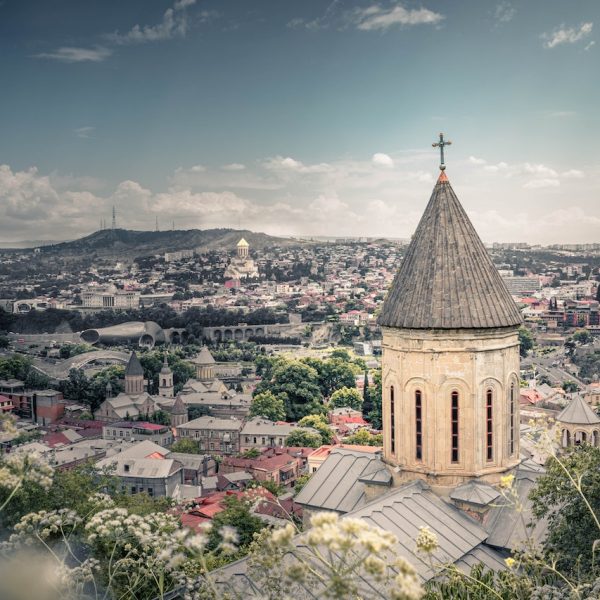
Georgia placed a thousand native English speakers in its schools to displace Russian as the second language. A decade on, here is what survived and what did not.

Ellen Jovin gave herself three months per language and 13 languages in three years, building a method out of deli shifts, tapes and refusing to wait for fluency.

Two thirds of Europeans can speak English and it is the first foreign language taught in every school system outside Britain and Ireland, a Eurostat survey found.
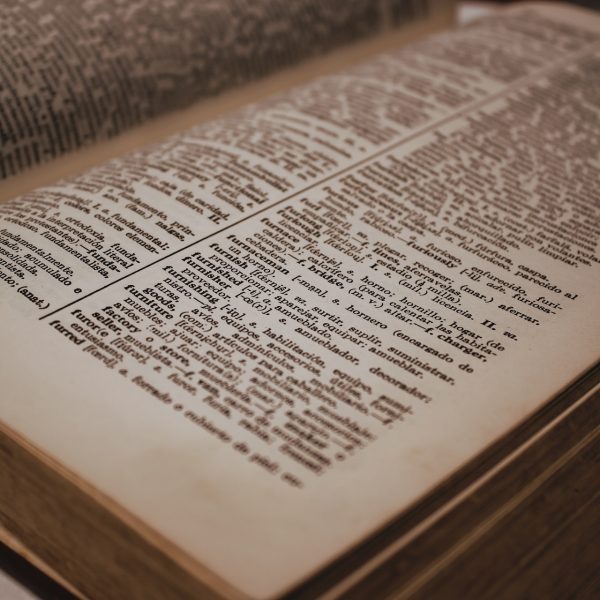
The University of Pune is compiling the first Pali-Sanskrit-Tibetan dictionary, closing a gap that has forced Buddhist scholars to work through two reference books at once.

A Wakefield Research survey found 58 percent of Americans fear foreign workers will take high-paying U.S. jobs because the country cannot speak other languages.

Three-quarters of UK students skipped French GCSE this year and German entries fell 4.5%. The 2004 decision to make languages optional is still doing damage.
Leeds researcher Serge Sharoff has £700,000 from the European Commission to build term banks that could reshape machine translation and language teaching alike.
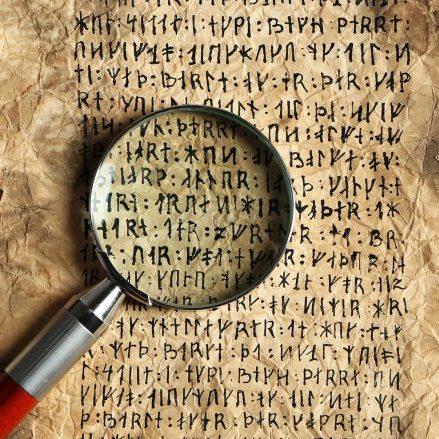
Latin, Greek and Hebrew survive at university because translation turns locked manuscripts into evidence students can argue with, and machines still cannot do it.
We use cookies to give you the best online experience, remember your preferences, and understand how the site is used. You can accept all cookies, reject optional ones, or choose which categories to allow.
Privacy PolicyChoose which cookies we can use. Necessary cookies stay on because the site cannot work without them.
For more details, read our Privacy Policy.