
Ontario had one accredited Arabic court interpreter, so the Crown asked to sever a murder trial. A tougher accreditation test shrank the workforce instead of improving it.
Ontario had one accredited Arabic court interpreter, so the Crown asked to sever a murder trial. A tougher accreditation test shrank the workforce instead of improving it.

USP proposed prescription labels in plain language, larger type and the patient's preferred language. The 'once' problem shows why a bad translation is worse than none.
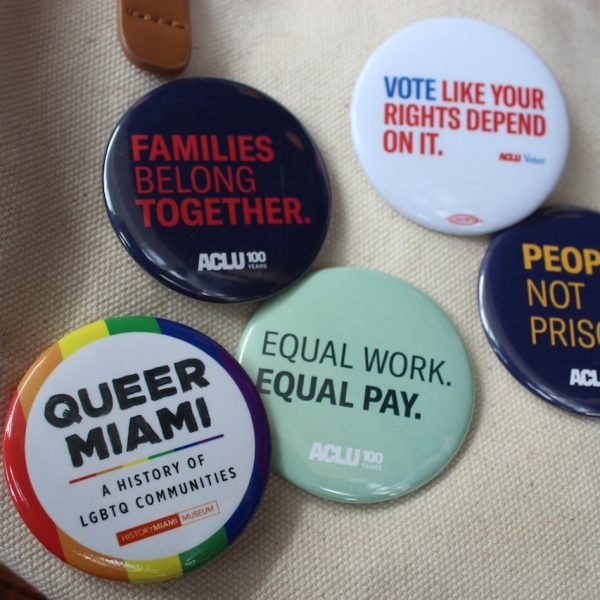
Rhode Island cut its Southeast Asian and Portuguese interpreters, then spent years fixing it. Language access is cheap compared with what happens without it.

Lawmakers want every chain pharmacy in New York State to translate prescription labels, extending a 2009 city law after research found most pharmacists rarely translate at all.

New Joint Commission standards force hospitals to provide interpreting, turning a chronically under-supplied role into one of the fastest growing jobs in American healthcare.
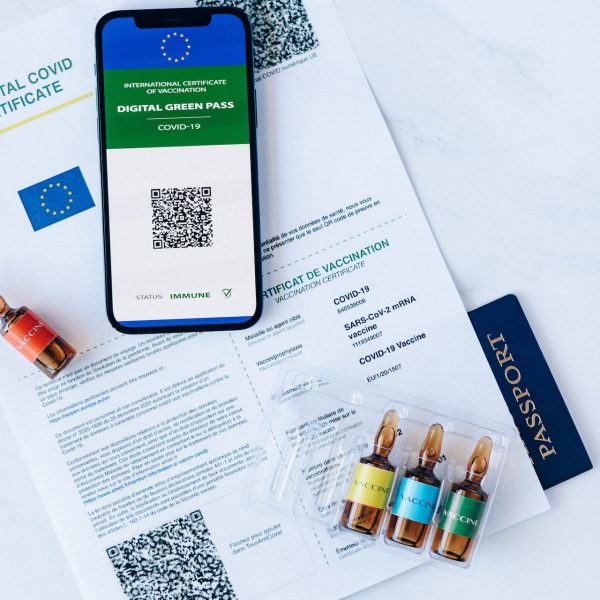
Oregon endorses the national CMI credential and funds oral exams in five more languages, giving hospitals a single standard for judging whether an interpreter is competent.

Washington's proposed 2 million dollar cut would end Medicaid interpreter subsidies for 70,000 residents, shifting risk and cost onto clinics and patients.

Whitehall and the justice system spent 140 million pounds on translation last year, up 40 per cent in two years despite a cost-cutting drive, reigniting the language test row.

Long Beach cut the Spanish simulcast of council meetings, then told housing advocates the promised interpreters were not available either.

How Joint Commission accreditation standards turned medical interpreting from a hospital courtesy into a reimbursement-linked patient-safety requirement.

The NYCLU says riders who speak little English are denied interpreters in transit court, a due-process failure that quietly decides cases before they are argued.

A Pennsylvania county paid $5,500 for court interpreters in a year and is asking whether it was necessary. The breakdown answers the question better than the headline.
Interpreters-on-Call sells vendor-neutral telephony by the minute, removing the one barrier that kept small agencies out of over the phone interpretation.
We use cookies to give you the best online experience, remember your preferences, and understand how the site is used. You can accept all cookies, reject optional ones, or choose which categories to allow.
Privacy PolicyChoose which cookies we can use. Necessary cookies stay on because the site cannot work without them.
For more details, read our Privacy Policy.