Travel Phrases Every Visitor Should Learn Before Leaving
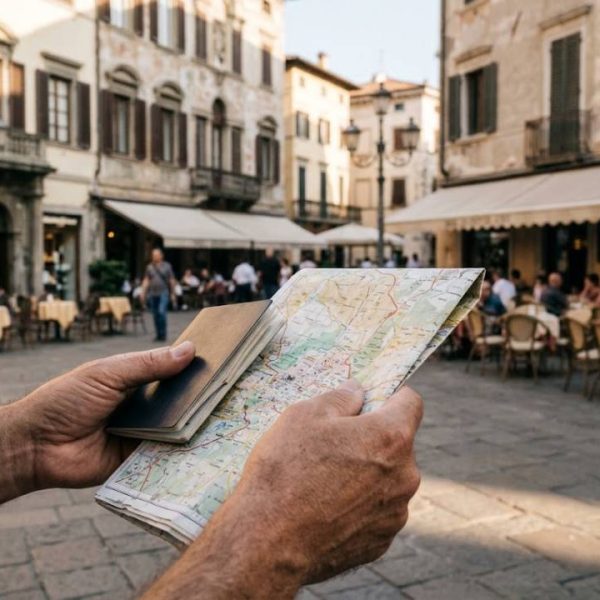
The best trips are rarely the ones with perfect itineraries. They are the ones where a stranger smiles back because you tried a few words in their language. You do not need to be fluent to make a good impression. A handful of well-chosen phrases opens doors, softens misunderstandings and turns a routine visit into a memorable exchange.
This guide covers the phrases worth learning before you leave, how to practise them, and when it is smarter to call in a professional. Effort matters more than accuracy, but a little preparation goes a long way.
Start with greetings and politeness
Hello, please, thank you, excuse me and goodbye form the core of any travel vocabulary. They cost nothing to learn and are noticed immediately. In many cultures, a polite greeting before a question is not optional. Skipping it can come across as cold, even if you meant no offence.
Learn how to say them with the right level of formality. Many languages distinguish between a friendly form and a respectful form, and picking the wrong one can feel odd.
Phrases for getting around
- Where is the station, the bus stop or the toilet?
- How much does it cost?
- Can you help me, please?
- I do not understand. Can you repeat that?
- Do you speak English?
The last two lines are the most useful of all. They show humility and invite the other person to meet you halfway.
Food and drink without surprises
Restaurant menus can hide surprises. Learn how to say that you are vegetarian, that you have an allergy or that you would like the bill. Photograph the menu and use a translation app for unknown dishes, but double-check anything related to health.
Remember that table customs differ. In some countries, tipping is expected. In others, it may be rude. A quick look at reliable travel guidance helps you avoid awkward moments.
Check official advice before you go
Language is only one part of preparation. Entry rules, health information and local laws also matter. The government's foreign travel advice pages list requirements and safety notes for every destination, written in clear English.
Visiting a country with a less common language
Some destinations use languages that few travellers study. Poland is a good example: its language has unfamiliar sounds and long consonant clusters, but locals are delighted when visitors try. If you need documents, contracts or tourism materials in that language, professional Polish translation services ensure that your message is accurate and polite.
Why local knowledge beats a dictionary
A dictionary gives words. A local gives context. Slang, humour and regional expressions rarely appear in textbooks. Companies that organise events and tours abroad know this well, and the article on destination management companies explains why language and cultural knowledge are central to successful trips.
How to practise in the weeks before departure
- Spend ten minutes a day on a vocabulary app.
- Listen to a podcast or short videos in the target language.
- Say phrases aloud, since pronunciation is as important as spelling.
- Write the ten most useful phrases on a card in your wallet.
- Practise with a friend or language exchange partner.
Gestures and body language
Gestures that seem harmless at home can offend elsewhere. A thumbs-up, a pointing finger or an open palm can mean very different things. When in doubt, keep gestures small and smile. Observing locals for a few minutes teaches more than any guidebook.
Technology as a safety net
Offline translation apps, downloaded maps and camera translation tools are lifesavers. Download language packs before you leave, because mobile data can be expensive or unreliable. Treat machine translation as an aid for simple needs, not for legal or medical situations.
Money, tipping and small talk
Learn the numbers from one to twenty and the words for hundred and thousand. They help with prices, addresses and phone numbers. Small talk is useful too: where you come from, how long you are staying and what you like about the place are topics that start friendly conversations almost everywhere.
Travelling with children or older relatives
Group trips call for extra planning. Teach children a few simple words, and give older relatives a printed card with key phrases and emergency contacts. Everyone feels safer when they can ask for help in the local language.
Understanding signs and notices
Signs on roads, trains and public buildings follow conventions that you can learn quickly. Words such as entrance, exit, push, pull, danger and closed appear everywhere. Memorise them, and you will avoid many small problems.
Learning from mistakes
Everyone makes errors. A wrong word can lead to a funny moment rather than a disaster, and locals usually appreciate your effort. Keep a notebook of new expressions and review it each evening. You will notice your confidence growing day by day.
Bringing the language home
After the trip, keep the habit going. A few minutes of practice each week preserves what you learned, and each new trip builds on the last. Soon you will have a small collection of languages that you can use on the road and at home.
Final thoughts
Travelling with a little language is travelling with respect. Prepare a few phrases, check official advice, and rely on professionals for anything important. The rewards, in friendships and experiences, far outweigh the effort.